Starmind Pico

Is it possible to train a Language Model to run on the RP2040? Yes. Dumb but fast.
Background
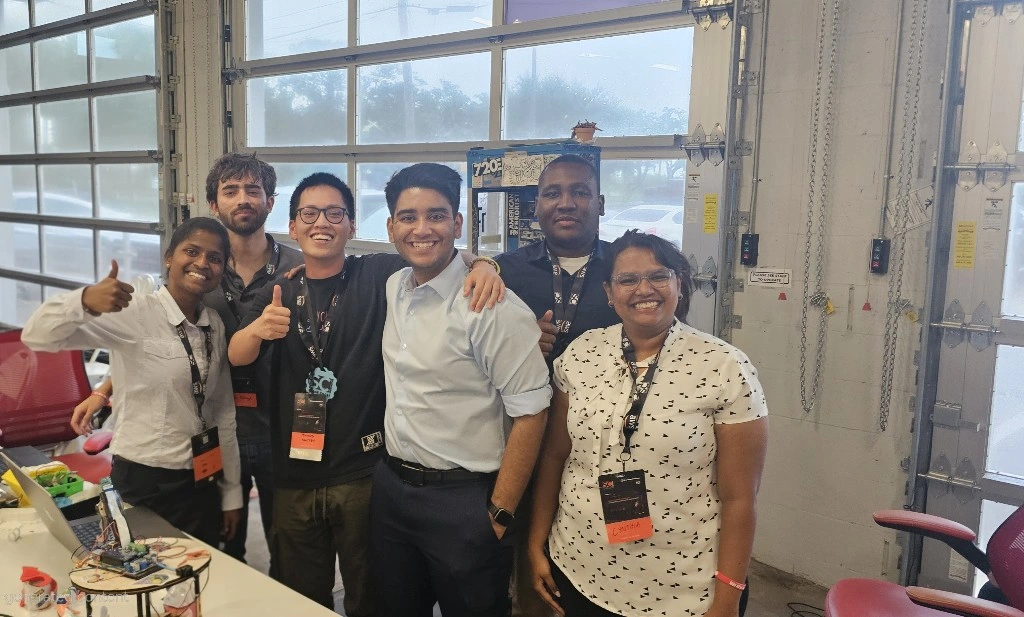
I had a TinyPico (RP2040) laying around the office for the last 8 months. During a recent hackathon, I decided to whip it out for a weekend project and thought to myself — I bet I can make a Language Model run on this.
What I set out to do:
- Find a Language Model architecture that runs well on RP2040
- Train a model
- Run the model
Architecture Analysis
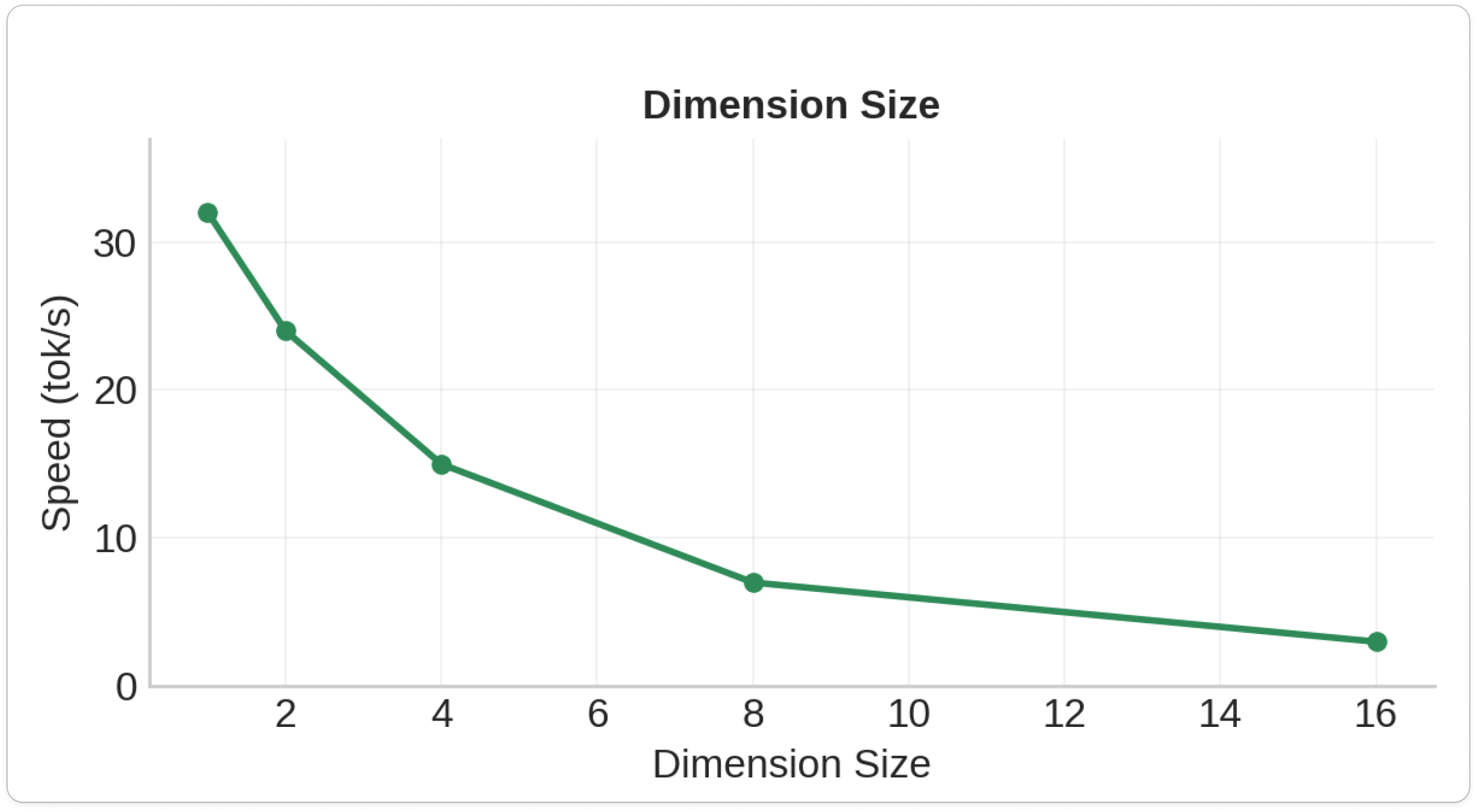
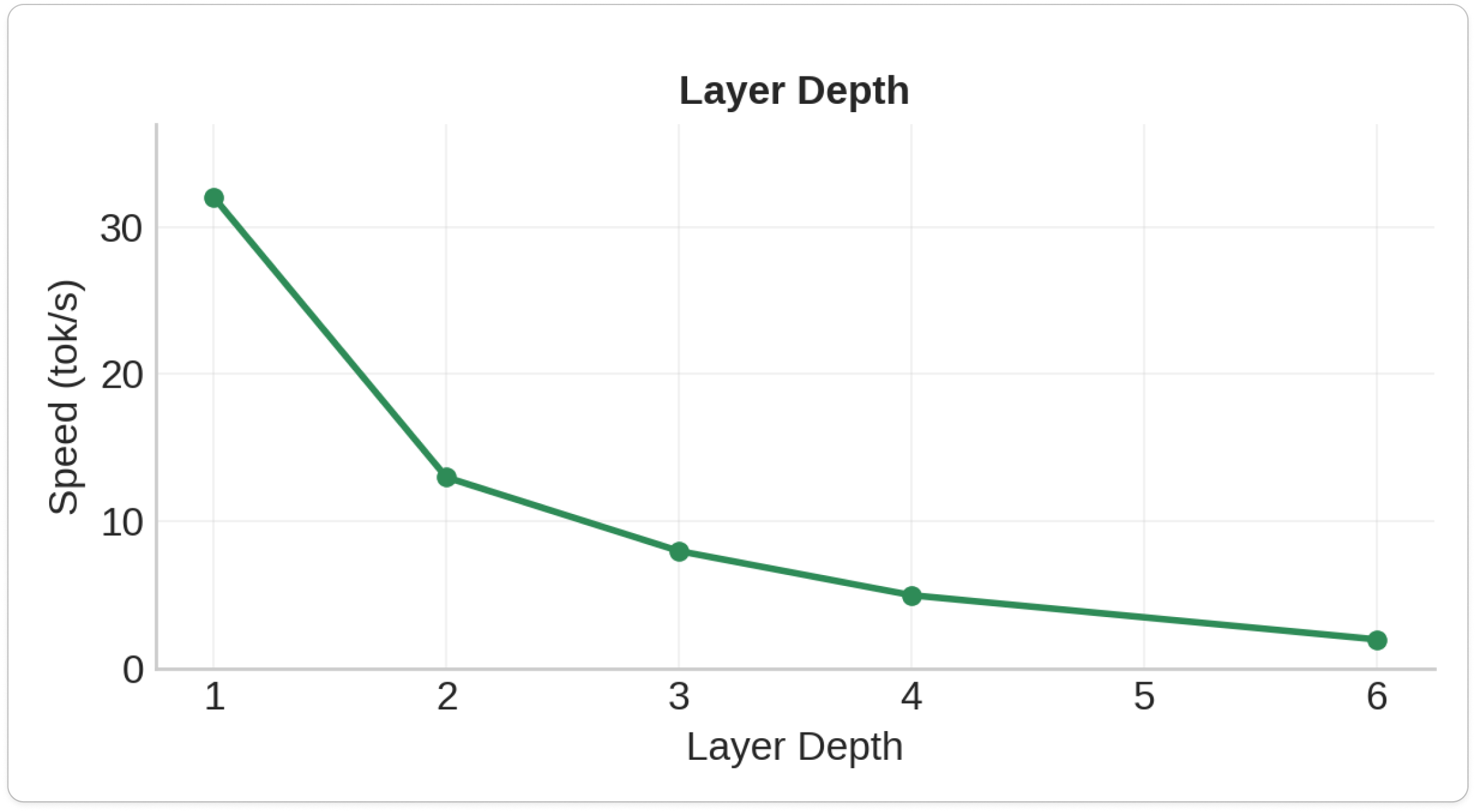
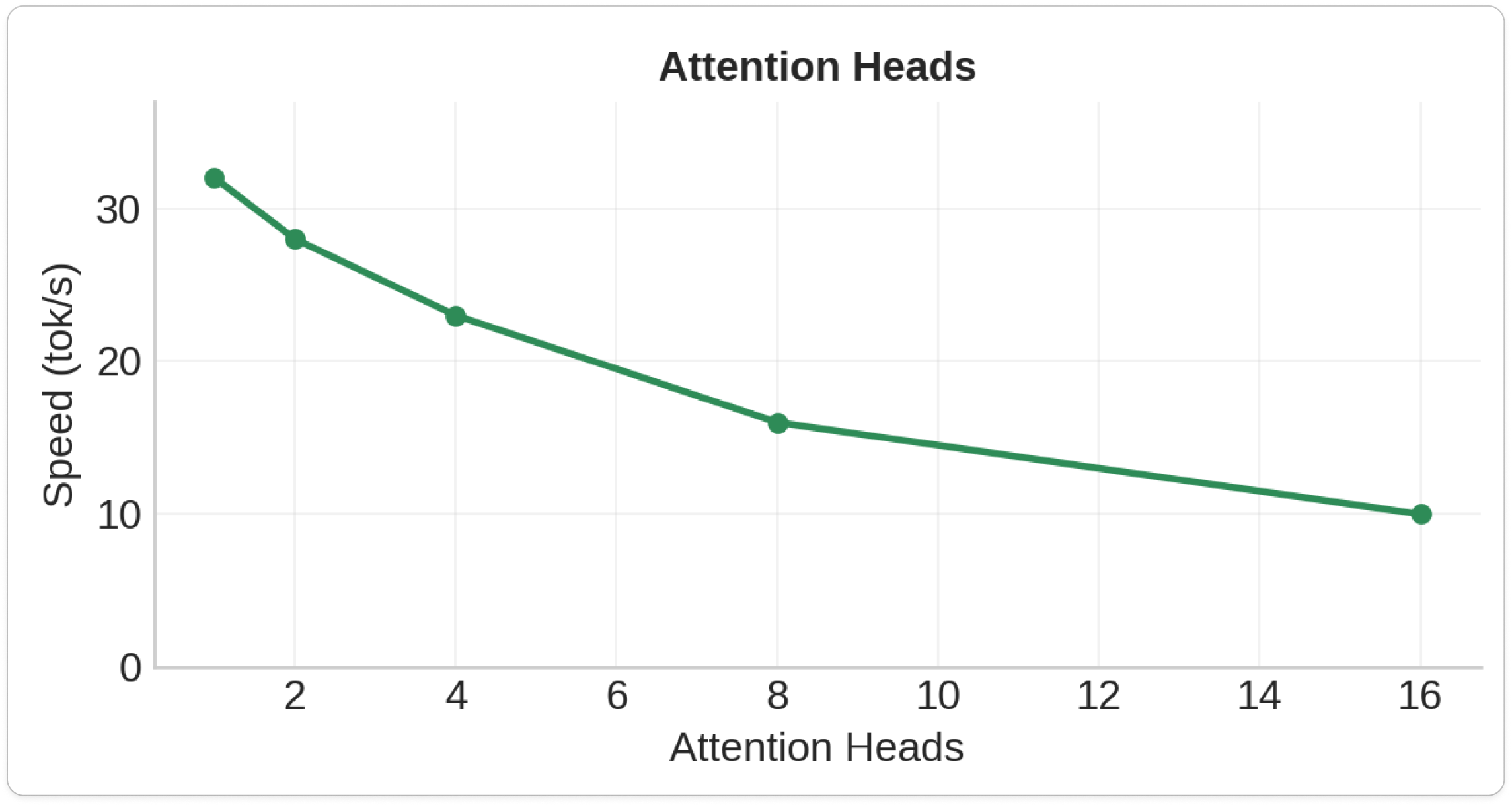
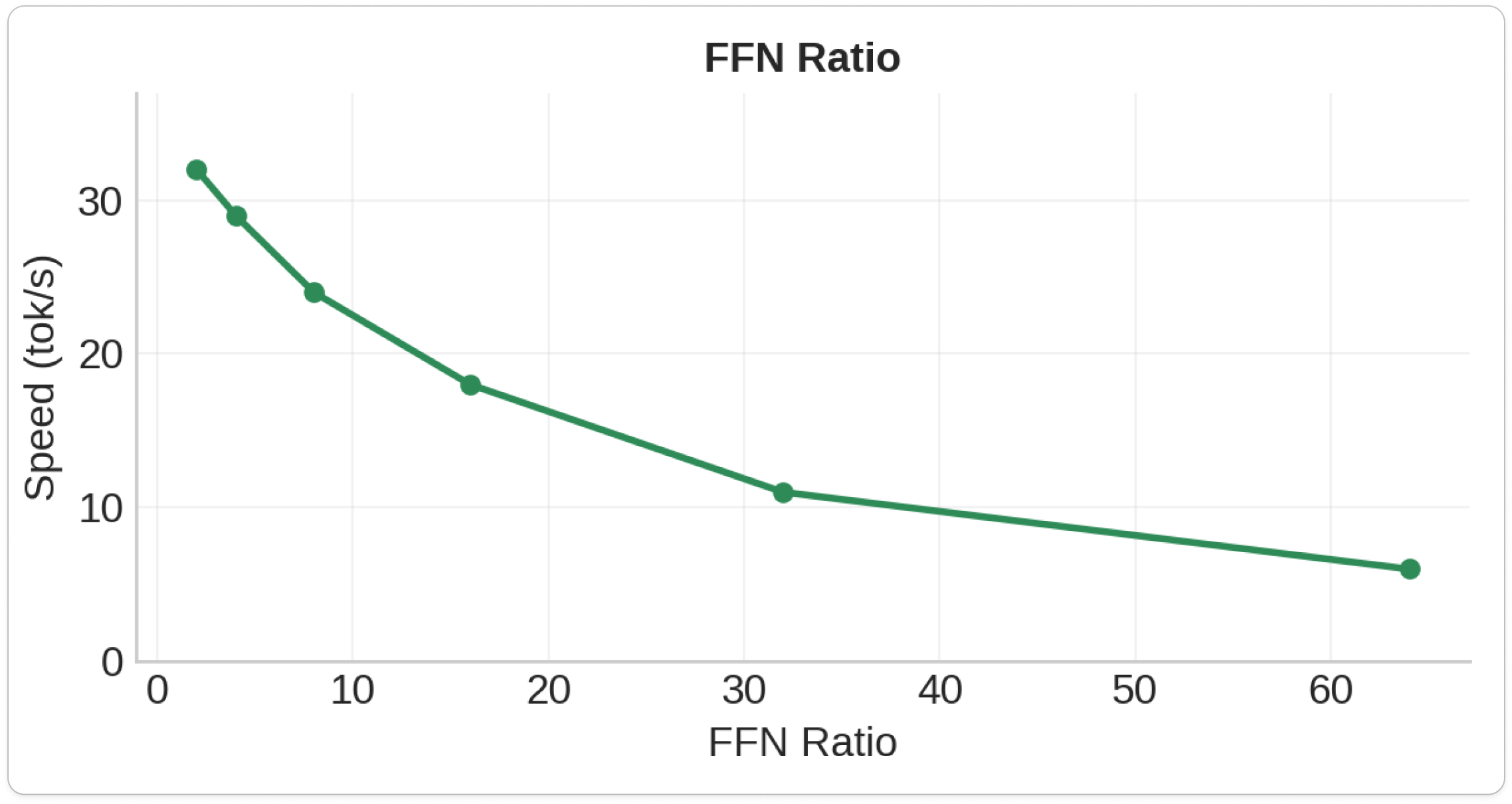
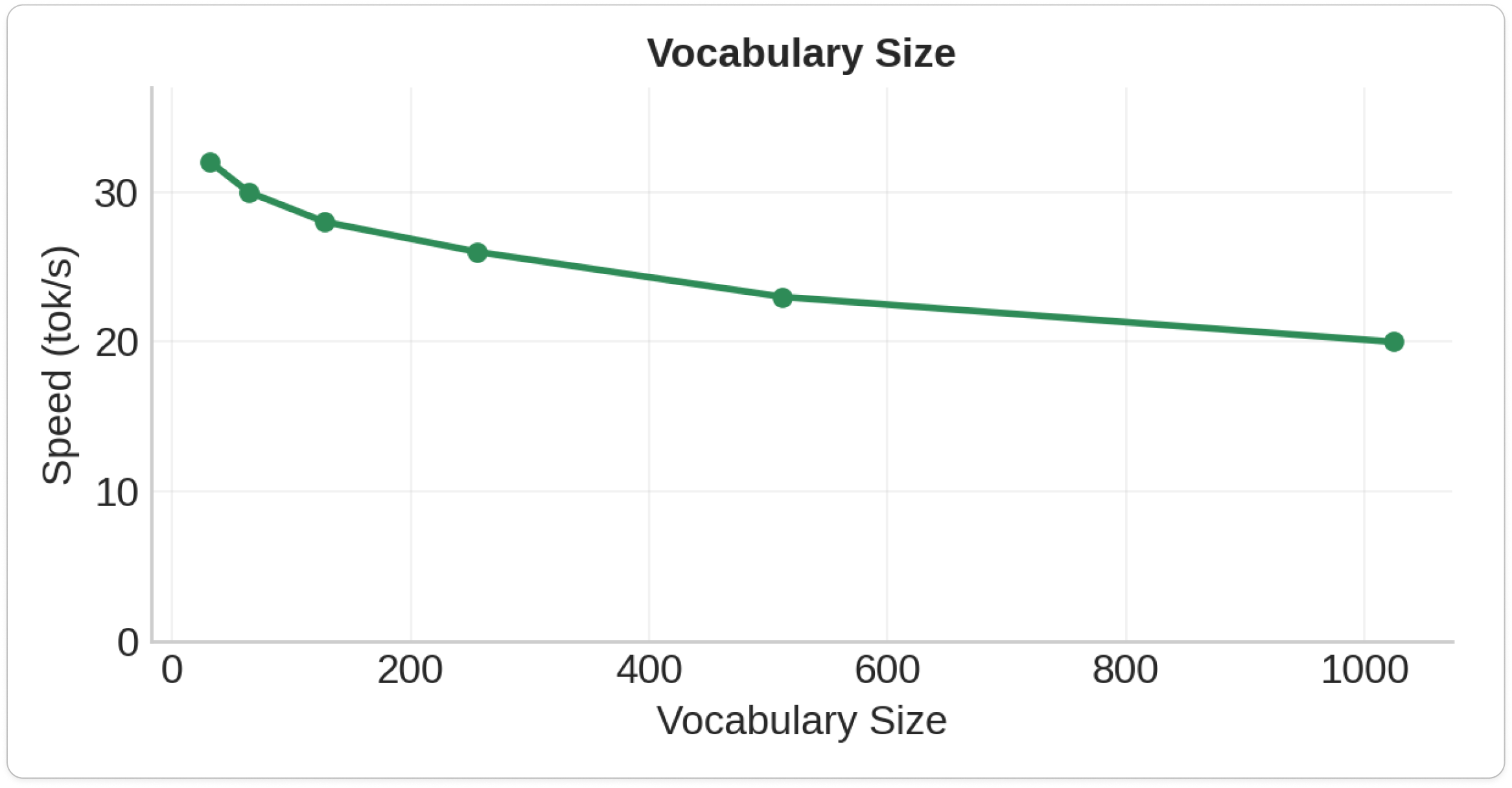
I analyzed 5 factors of the Language Model Architecture and how they affect model inference speed and quality:
1. Dimension Size
2. Layer Depth
3. Attention Heads
4. FFN Ratio
5. Vocabulary Size
176 architectural variants tested — the most comprehensive microcontroller transformer study ever.
Key Findings
Speed Results
- Fastest model: 32.0 tokens/second (1D architecture)
- Most balanced: 2-3 tokens/second (8K parameters)
- Memory limit: 256 vocabulary tokens maximum due to SRAM fragmentation
Microcontroller-Specific Insights
- Quantization paradox: Saves memory but slows down inference due to de-quantization overhead
- RP2040 bottleneck: Computation speed, not memory bandwidth
- KV caching: 3-7x speed improvement for multi-token generation
# Maximum Speed (1K params)
optimal_speed = {
    'vocab_size': '32-64',
    'dim': '1-2',
    'hidden_dim': '64-128',
    'n_layers': 1,
    'n_heads': '6-8',
    'expected_speed': '20-32 tok/s'
}

# Balanced Production (8K params)
balanced_production = {
    'vocab_size': '256-512',
    'dim': '6-8',
    'hidden_dim': '192-256',
    'n_layers': '2-3',
    'n_heads': 8,
    'expected_speed': '2-5 tok/s'
}
Training
Trained models on an H100 rented on Prime Intellect. Each model takes ~2 minutes to train. All initial training took 12 hours (about $20 total).
Conclusion
Due to memory fragmentation on RP2040, the maximum vocabulary size is 256. After spending $20+ in GPU for pre-training, the models generate a few coherent words, which is promising. People on Reddit liked it.